
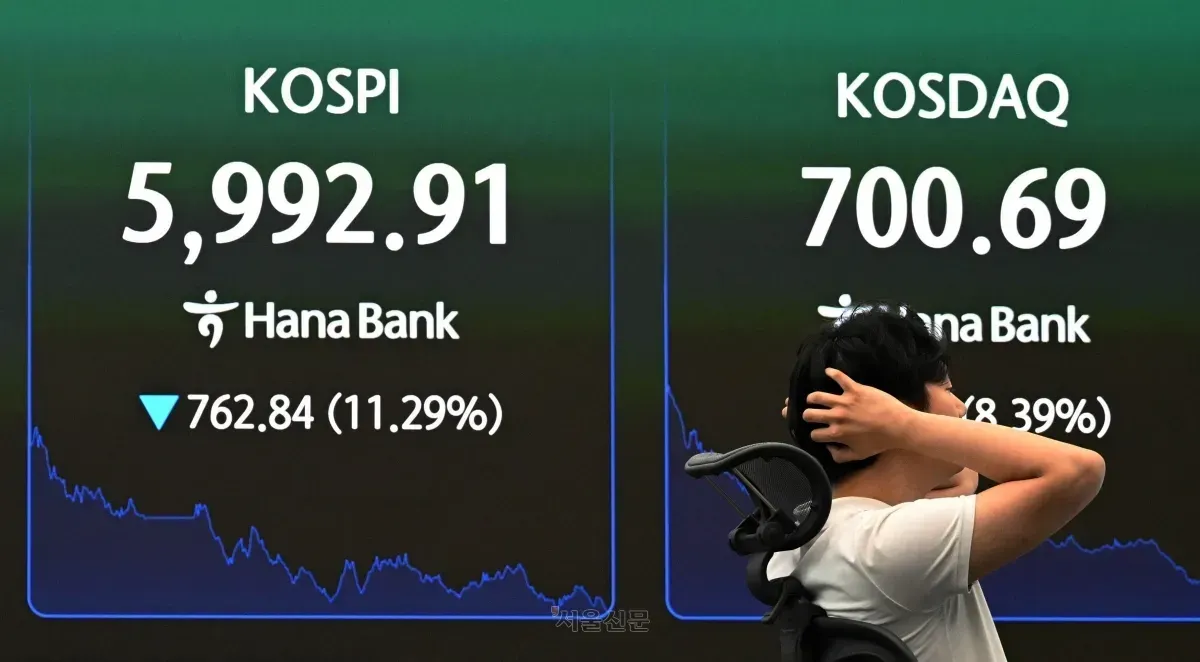
Photo: KOSPI index shown at the Hana Bank headquarters in Seoul on July 28. Credit: Seoul Shinmun.
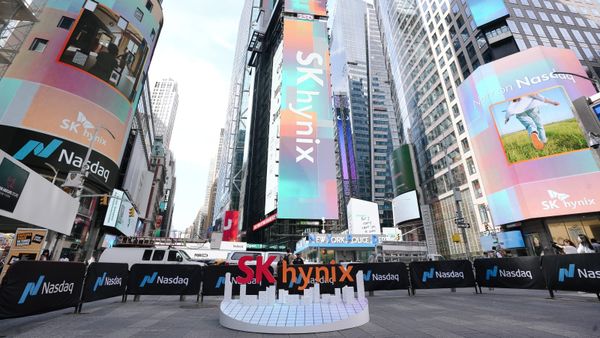
The stock market giveth, the stock market taketh away. It was less than two months ago, on June 18, when South Korea’s main stock index flew past 9,000, buoyed by the rush of demand for semiconductors from leading manufacturers like Samsung Electronics 삼성전자 and SK Hynix SK 하이닉스. Just five weeks later, on July 29, the KOSPI dropped to 5,764 before rebounding to hover around 6,200 in the first week of August.
Much of the volatility was directly tied to the volatility of the semiconductor market as global investors grew increasingly skeptical of continued demand from the construction of new data centers for artificial intelligence. The introduction of leveraged exchange trade funds (ETFs) for single stocks, which forced a cascade of sales at the first sign of a downturn, dragged down share prices even further.
The government intervened to place additional regulations on the leveraged ETF products as of July 31, which began stabilizing the market. Much of the investments from such products were shifted to the KOSDAQ, the exchange for small and mid-cap companies. In the seven trading days since July 31, the KOSDAQ jumped by 32.5%, as the funds with higher risk appetite returned to its traditional investment destinations.